V-up Ball Pass (Stability Ball)
Intermediate
Also known as: Stability Ball V-up Pass · Stability Ball Hand-to-Foot Pass
Expert Advice
Bend your knees slightly if straight legs make the transfer jerky. Shorter leg levers make it easier to bring your torso and feet together without swinging.
How-to-do Steps
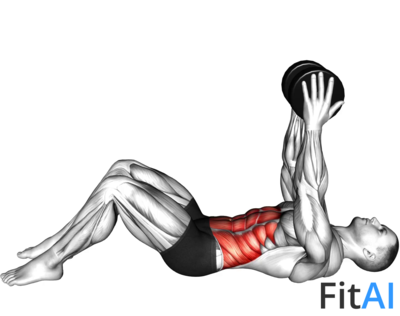
- Lie face-up on the floor, holding the stability ball above your chest with both hands.
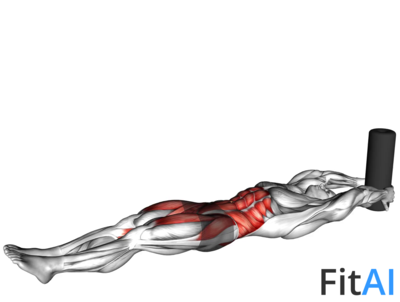
- Extend your legs together and reach the ball behind your head.
- Exhale as you lift your torso and both legs, passing the ball between your feet.
- Lower your torso and legs together, reaching your empty hands behind your head.
- Fold upward again, transferring the ball from your feet into both hands.
- Extend back out and repeat the transfers, keeping your heels just above the floor.
Common Mistakes
- Lower back arches while extendingFix: shorten the lowering range to keep your ribs down.
- Ball slips during transferFix: secure it between your feet before releasing your hands.
Coach Cues
Fold togetherSecure the ballLower without swinging
Short reminders to keep in mind during every set.
Track V-up Ball Pass (Stability Ball) in FitAI
Log your sets, reps, and weights automatically. Get AI-powered progressive overload recommendations and form feedback — personalized to your training history.
Muscles Worked
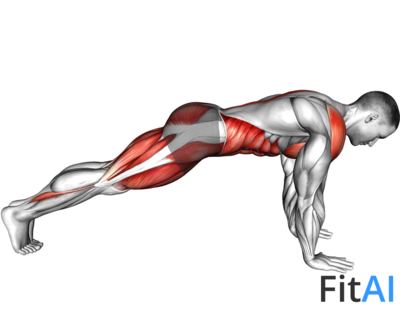
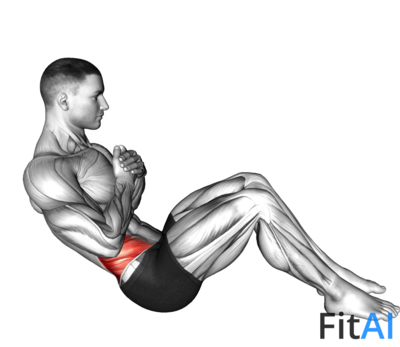
V-up Ball Pass (Stability Ball) primarily targets the Abs, with Strength mechanics using Stability Ball. Understanding muscle activation patterns helps you focus on proper engagement and maximize training effectiveness.
Primary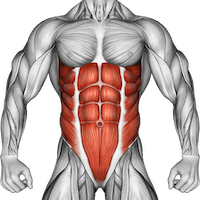
Abs75%
Secondary
Quads25%
Equipment Stability Ball
Exercise Type
Strength
Why Level 3?
Intermediate
Coordinating transfers requires abdominal strength, hamstring flexibility, and control through long-lever lowering.
Technique
Stability
Strength
Mobility
Impact
Learning
Sets & Reps Guidance
Beginner3 x 10-12
Intermediate4 x 8-10
Advanced4 x 6-8
Variations
Easier Variation
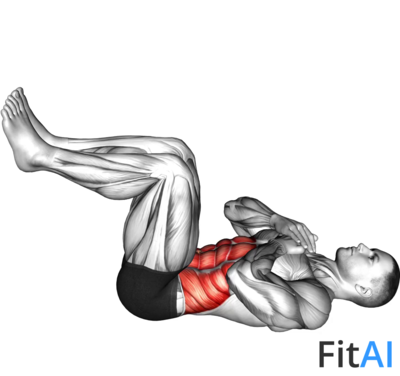
Harder Variation
Frequently Asked Questions
What muscles does V-up Ball Pass (Stability Ball) work?
V-up Ball Pass (Stability Ball) primarily targets the Abs. Secondary muscles involved include Quads. It is classified as a Strength exercise performed with Stability Ball.
How many sets and reps should I do for V-up Ball Pass (Stability Ball)?
For beginners, start with 3 sets of 10-12. Intermediate lifters can do 4 sets of 8-10. Advanced athletes can push to 4 sets of 6-8. Adjust based on your goals and recovery capacity.
Is V-up Ball Pass (Stability Ball) suitable for beginners?
V-up Ball Pass (Stability Ball) is rated as intermediate difficulty. Beginners may want to start with lighter loads or simpler variations and progress to this exercise as their strength and coordination improve.
What are the most common mistakes when doing V-up Ball Pass (Stability Ball)?
Lower back arches while extending: shorten the lowering range to keep your ribs down. Ball slips during transfer: secure it between your feet before releasing your hands.