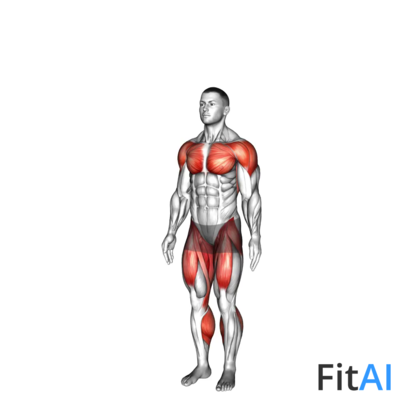
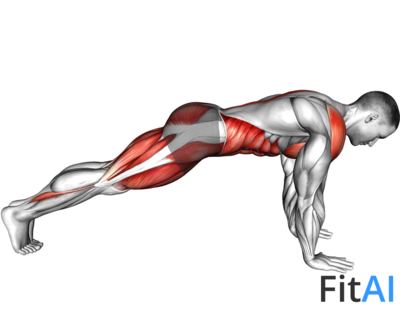
Spine (Lumbar) - Standing Flexion
Easy
Also known as: Standing Lumbar Flexion Stretch
Expert Advice
If the stretch is mostly behind your thighs, reduce the bend. The goal is gentle lower-back rounding, not reaching the floor.
How-to-do Steps
- Stand with feet hip-width apart, knees nearly straight, and arms hanging freely.
- Slowly bend forward, allowing your lower back to round gently.
- Lower only as far as comfortable, keeping both feet planted and arms relaxed.
- Slowly uncurl your spine to return upright without leaning backward.
- Continue gentle forward bends and controlled returns for the programmed duration.
Common Mistakes
- Bouncing at the bottomFix: change direction slowly without forcing extra range.
- Knees locked backwardFix: soften them slightly while keeping your legs nearly straight.
Coach Cues
Round gentlyLet arms hangRise slowly
Short reminders to keep in mind during every set.
Track Spine (Lumbar) - Standing Flexion in FitAI
Log your sets, reps, and weights automatically. Get AI-powered progressive overload recommendations and form feedback — personalized to your training history.
Muscles Worked
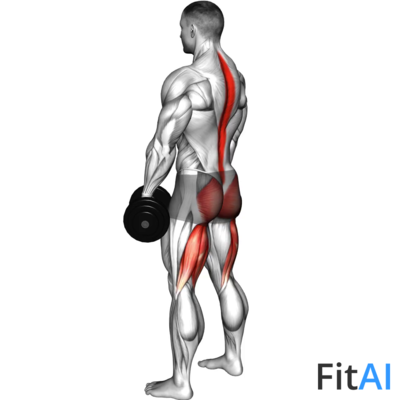
Spine (Lumbar) - Standing Flexion primarily targets the Lats, with Stretching mechanics using Body Weight. Understanding muscle activation patterns helps you focus on proper engagement and maximize training effectiveness.
Primary
Lats80%
Secondary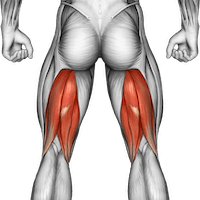
Hamstrings20%
Equipment Body Weight
Exercise Type
Stretching
Why Level 2?
Easy
Standing spinal rounding requires controlled movement and modest posterior-chain flexibility.
Technique
Stability
Strength
Mobility
Impact
Learning
Sets & Reps Guidance
Beginner2 x 20s
Intermediate3 x 30s
Advanced3 x 45s
Frequently Asked Questions
What muscles does Spine (Lumbar) - Standing Flexion work?
Spine (Lumbar) - Standing Flexion primarily targets the Lats. Secondary muscles involved include Hamstrings. It is classified as a Stretching exercise performed with Body Weight.
How many sets and reps should I do for Spine (Lumbar) - Standing Flexion?
For beginners, start with 2 sets of 20s. Intermediate lifters can do 3 sets of 30s. Advanced athletes can push to 3 sets of 45s. Adjust based on your goals and recovery capacity.
Is Spine (Lumbar) - Standing Flexion suitable for beginners?
Yes, Spine (Lumbar) - Standing Flexion is rated as a beginner-friendly exercise, making it an excellent starting point. Focus on mastering proper form before increasing intensity or load.
What are the most common mistakes when doing Spine (Lumbar) - Standing Flexion?
Bouncing at the bottom: change direction slowly without forcing extra range. Knees locked backward: soften them slightly while keeping your legs nearly straight.