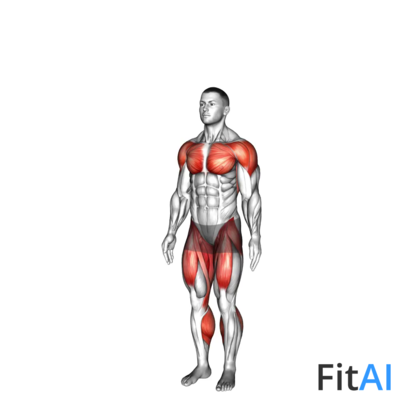
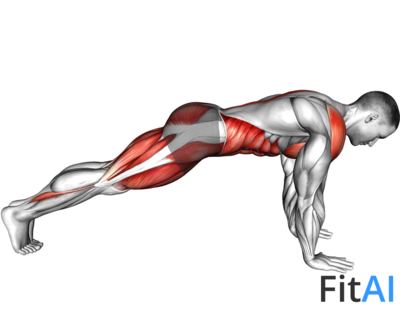
Bent-Knee V-up Hold
Easy
Also known as: Bent-Knee V-Sit Hold · Tuck V-Sit Hold
Expert Advice
To make the hold easier, bend your knees further and bring your heels closer to your buttocks. This shortens the lever without adding hand or foot support.
How-to-do Steps
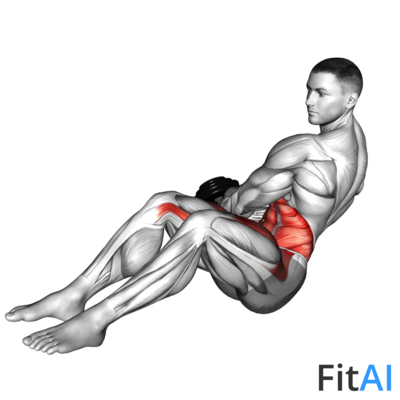
- Begin reclined on the floor with your legs extended together.
- Raise your torso and draw both knees inward, lifting both feet together.
- Balance on your buttocks with your arms reaching forward alongside your legs.
- Hold your torso reclined and feet suspended, breathing steadily for the programmed duration.
- Lower your torso and extend both legs slowly back to the reclined starting position.
Common Mistakes
- Rocking on your tailboneFix: settle your balance before starting the hold.
- Shoulders creep toward your earsFix: relax your neck while keeping your arms extended.
Coach Cues
Feet stay liftedReach alongside your legsHold still and breathe
Short reminders to keep in mind during every set.
Track Bent-Knee V-up Hold in FitAI
Log your sets, reps, and weights automatically. Get AI-powered progressive overload recommendations and form feedback — personalized to your training history.
Muscles Worked
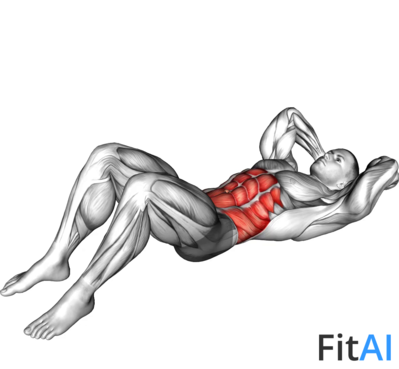
Bent-Knee V-up Hold primarily targets the Quads, Abs, with Strength mechanics using Body Weight. Understanding muscle activation patterns helps you focus on proper engagement and maximize training effectiveness.
Primary
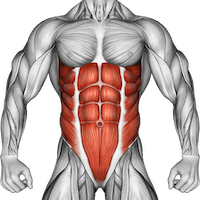
Quads35%
Abs65%
Equipment Body Weight
Exercise Type
Strength
Why Level 2?
Easy
Requires abdominal endurance and seated balance while both feet remain unsupported.
Technique
Stability
Strength
Mobility
Impact
Learning
Sets & Reps Guidance
Beginner3 x 20s
Intermediate3 x 30s
Advanced4 x 45s
Frequently Asked Questions
What muscles does Bent-Knee V-up Hold work?
Bent-Knee V-up Hold primarily targets the Quads, Abs. It is classified as a Strength exercise performed with Body Weight.
How many sets and reps should I do for Bent-Knee V-up Hold?
For beginners, start with 3 sets of 20s. Intermediate lifters can do 3 sets of 30s. Advanced athletes can push to 4 sets of 45s. Adjust based on your goals and recovery capacity.
Is Bent-Knee V-up Hold suitable for beginners?
Yes, Bent-Knee V-up Hold is rated as a beginner-friendly exercise, making it an excellent starting point. Focus on mastering proper form before increasing intensity or load.
What are the most common mistakes when doing Bent-Knee V-up Hold?
Rocking on your tailbone: settle your balance before starting the hold. Shoulders creep toward your ears: relax your neck while keeping your arms extended.